If you love homes with character, South Fayetteville can feel like a breath of fresh air. It is one of the few parts of Fayetteville where you can still find a true mix of older bungalows, Craftsman houses, midcentury ranches, and newer infill in the same general area. For design-minded buyers, that creates real opportunity, but it also means you need to look closely at renovation quality, lot shape, and layout before you fall in love. Let’s dive in.
Why South Fayetteville Stands Out
South Fayetteville does not read like a typical newer subdivision. According to the City of Fayetteville’s permit-ready building design program, Downtown and Walker Park contain some of the city’s oldest houses and some of its highest redevelopment rates.
That matters if you care about architecture and originality. Citywide, Fayetteville has a much newer housing profile, with the largest shares of homes built from 2000 to 2009 and 2010 to 2019, while only 2.8% of homes were built in 1939 or earlier, according to regional housing profile data. In South Fayetteville, the older core is much more visible.
For you as a buyer, this means the neighborhood offers more texture than uniformity. Instead of one dominant style, you are comparing homes shaped by different eras of development and different levels of remodeling.
What Home Styles You’ll See
Early bungalows and Craftsman homes
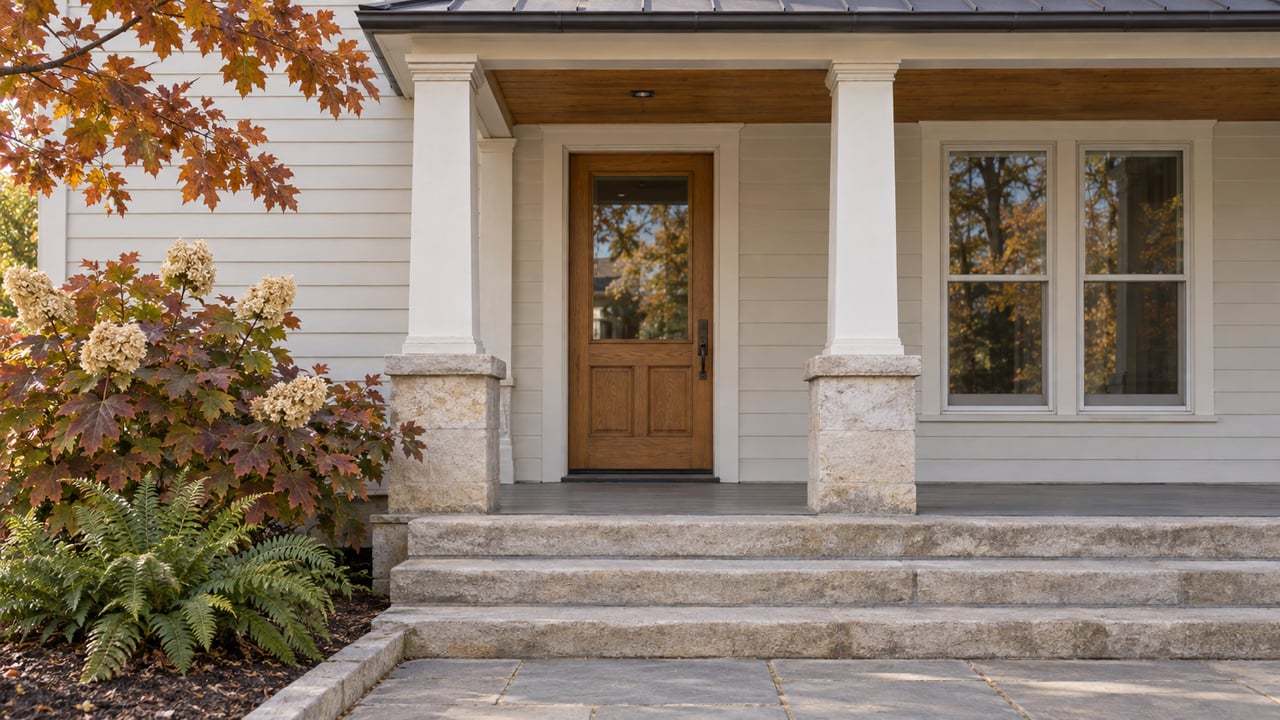
The Walker Park Neighborhood Master Plan says the first homes in the area were mostly modest bungalows and Craftsman-style houses, with a few farmhouses and Victorian houses mixed in. Many of these original homes were under 1,000 square feet, which helps explain why some properties feel charming and efficient rather than expansive.
If you are drawn to older homes, this is part of South Fayetteville’s appeal. You may find front porches, simpler room divisions, and a scale that feels more intimate than what you would see in newer construction.
1950s ranch houses
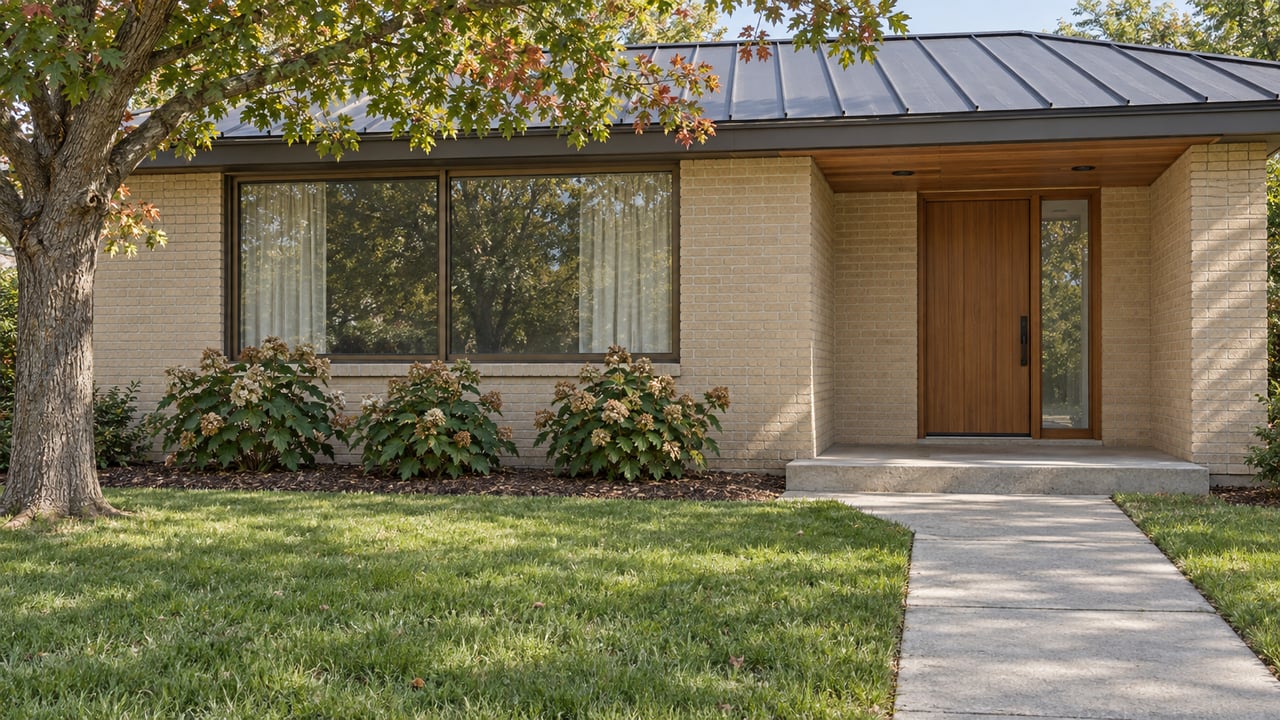
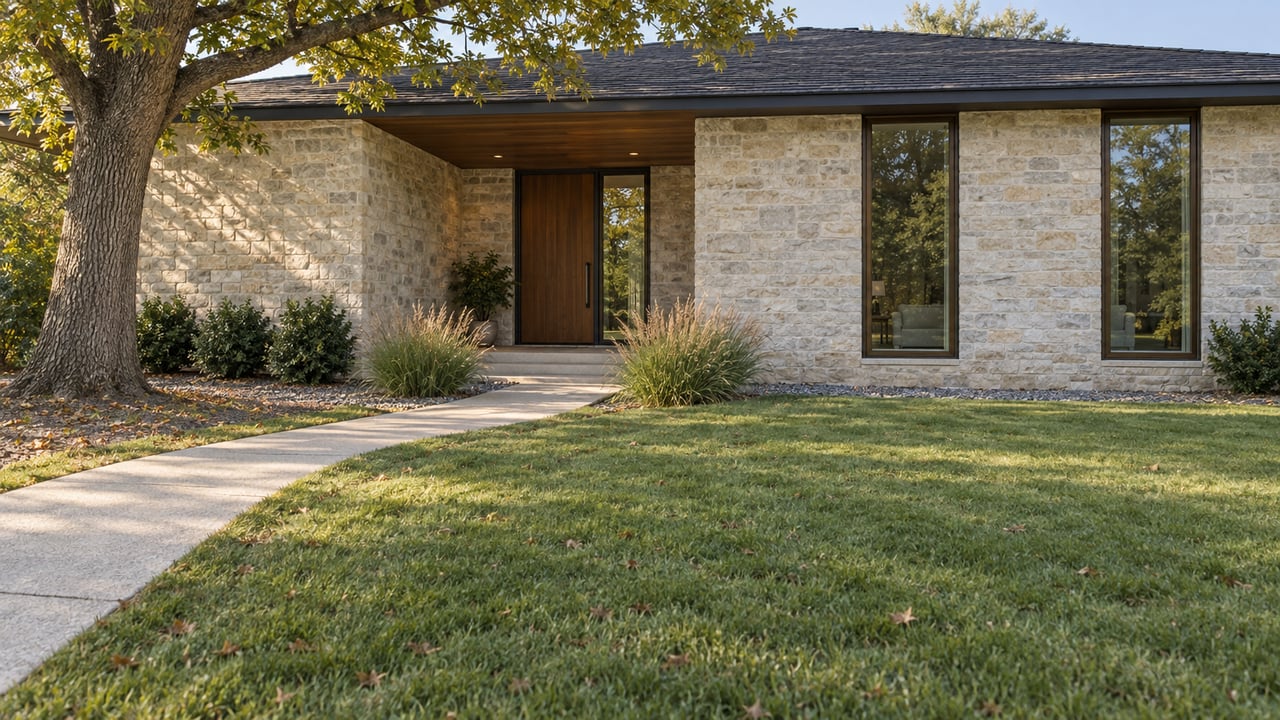
The same master plan notes that another wave of single-family building arrived in the 1950s in the form of ranch houses. These homes were typically wider than they were deep, with single-story massing, low-slope roofs, and a garage or carport at one end.
For design-minded buyers, ranches can be especially interesting. Their footprints often make open living updates more achievable, but the level of finish and quality of prior work can vary a lot from property to property.
Newer row homes and infill
South Fayetteville is not frozen in time. A city-hosted South Fayetteville history essay describes the area as a working-class section with small older homes where old Craftsman and rock homes are now mixed with newer row homes.
The city’s permit-ready catalog also shows that newer development in the area is broader than many buyers expect. It includes single-family homes, townhomes, duplexes, and backyard cottages through the permit-ready design program. If you want a more modern layout without leaving the south core, that mix can work in your favor.
What the Floor Plans Feel Like
Smaller footprints are common
A lot of South Fayetteville’s appeal comes from homes built in a different era. Many older properties were designed with compact footprints and more defined rooms, rather than the large open-plan layouts common in newer neighborhoods.
That does not mean they are impractical. It simply means you should expect a different kind of flow, especially in homes that have not had a major renovation.
Lot shapes can change the experience
The Walker Park plan says early lots were often narrow and deep, with about 50 to 60 feet of street frontage and 100 to 120 feet of depth. That pattern shows up in the traditional block-and-street grid south of Archibald Yell Boulevard to 15th Street.
This lot structure affects everything from driveway placement to backyard shape to how the house sits on the street. If you care about outdoor living, parking, future additions, or a detached studio-type setup, lot dimensions deserve as much attention as the interior finishes.
Street-facing design still matters
Older parts of South Fayetteville were shaped by a porch-oriented, street-facing building pattern, as described in the Walker Park Neighborhood Master Plan. In practical terms, many homes relate more directly to the sidewalk and street than homes in newer suburban settings.
For buyers who value curb appeal and classic neighborhood form, this can be a big draw. It also helps explain why front porches and façade presence often matter so much here.
How to Judge Renovation Quality
Cosmetic updates and deep renovation are not the same
This is one of the most important things to understand about South Fayetteville. In the same pocket of the neighborhood, you may see one home with stylish finishes but aging systems, and another with a much deeper renovation behind the walls.
The City of Fayetteville’s Housing Rehabilitation and Repair Program highlights the components that often age first in older homes: electrical, flooring, HVAC, plumbing, roof and gutters, siding, windows, and lead-paint abatement. That is a useful checklist for buyers, even when a home looks beautifully updated.
Finishes often reflect current buyer tastes
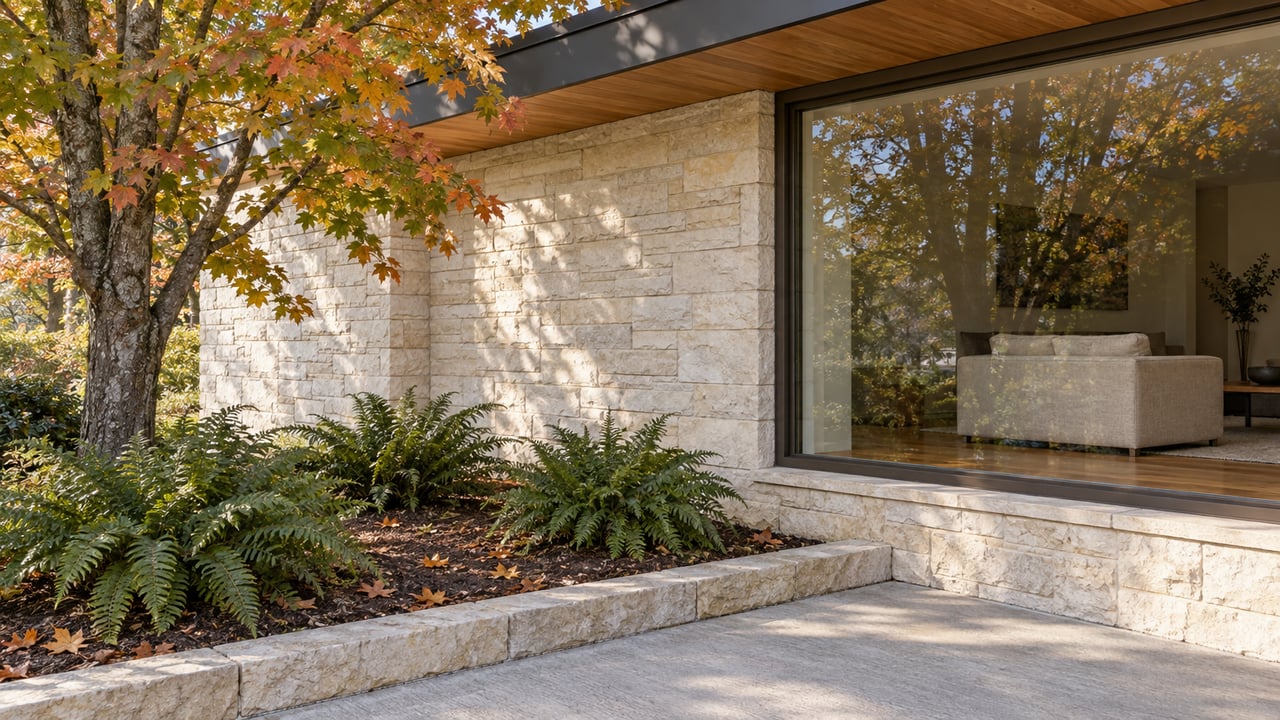
Recent South Fayetteville and Walker Park listing descriptions have highlighted features like open layouts, quartz countertops, hardwood or heart-pine floors, designer tile, custom cabinetry, updated baths, new windows, and energy-efficient systems, as shown in recent Walker Park market examples.
These details can absolutely elevate a home. But if you are comparing properties, it helps to separate the visible design layer from the renovation depth. Quartz counters and attractive tile are great, but they do not tell you everything about the age or condition of the roof, wiring, plumbing, or HVAC.
A simple buyer checklist
When you tour homes in South Fayetteville, look at design and function together:
- Layout: Does the floor plan fit how you actually live?
- Windows and light: Are windows updated, and do rooms feel bright and usable?
- Systems: Ask about electrical, plumbing, HVAC, and roof age.
- Materials: Notice flooring quality, cabinetry, tile work, and trim details.
- Energy performance: Check for newer windows, insulation updates, and efficient systems where available.
- Lot use: Consider parking, backyard access, and how the home sits on the lot.
That approach helps you avoid overvaluing surface-level changes while still recognizing strong design decisions.
What the Market Looks Like Now
As of February 2026, Redfin described Walker Park as somewhat competitive, with a median sale price of $284K and homes selling in about 29 days, according to the Walker Park housing market page.
For buyers, that suggests you may not have endless time to decide on the right property, especially if a home blends strong design, good renovation quality, and a workable layout. At the same time, South Fayetteville is still evolving, which means inventory can be diverse in both style and condition.
The city is continuing to shape the area through the permit-ready design program and through a 2025 city-owned land housing effort focused on context-sensitive, mixed-income development in South Fayetteville. In plain terms, you should expect continued infill, remodeling, and a growing mix of older homes and newer housing forms.
What Design-Minded Buyers Should Prioritize
South Fayetteville tends to reward buyers who can see both the charm and the tradeoffs. The neighborhood can be a great fit if you appreciate older forms, smaller footprints, and a more layered streetscape.
As you search, focus on these priorities:
- Buy the right bones. A good layout, solid structure, and thoughtful street presence matter.
- Look beyond the photos. Designer finishes are appealing, but renovation quality matters more over time.
- Understand the lot. Narrow, deep lots can be charming and useful, but they shape parking, additions, and outdoor living.
- Stay open to different housing types. A bungalow, ranch, or newer townhome may each deliver good design in different ways.
- Think about long-term fit. South Fayetteville is evolving, so consider how a home works for you now and in the years ahead.
If you are drawn to homes with soul, South Fayetteville offers a version of Fayetteville that feels more collected than cookie-cutter. And if you know how to evaluate design, updates, and context together, you can make a much smarter purchase decision.
If you want guidance comparing renovated homes, infill options, or properties with design potential in South Fayetteville, connect with Marla Roberds. Her design-minded approach can help you look past surface finishes and focus on the details that shape long-term value.
FAQs
What kinds of homes are most common in South Fayetteville?
- South Fayetteville includes a mix of older bungalows, Craftsman-style homes, some farmhouses and Victorian houses, 1950s ranch homes, and newer infill like townhomes, duplexes, and backyard cottages.
What should buyers know about older homes in South Fayetteville?
- Many older homes have smaller footprints, more defined room layouts, and aging components that may need close review, especially electrical, plumbing, HVAC, roofing, windows, and siding.
What makes South Fayetteville appealing to design-minded buyers?
- The area stands out for its architectural variety, historic character, porch-oriented streetscape, and mix of remodeled older homes and newer design-forward infill.
What is the current Walker Park market like for South Fayetteville buyers?
- As of February 2026, Walker Park was described as somewhat competitive, with a median sale price of $284K and homes selling in about 29 days.
What should buyers compare when touring renovated homes in South Fayetteville?
- You should compare layout, natural light, lot shape, material quality, system updates, and whether a renovation appears cosmetic or more comprehensive.