Are you looking at an older home in South Fayetteville and wondering whether it is a hidden opportunity or a money pit? That is a smart question, especially in 72701, where older housing stock, ongoing redevelopment, and design-sensitive updates can create real upside. If you know what to look for, you can spot homes with value-add potential before you overpay or over-improve. Let’s dive in.
Why South Fayetteville Stands Out
South Fayetteville has a very different feel from a newer subdivision. In and around areas shaped by the Walker Park planning area, many homes are older bungalows, Craftsman-style houses, farmhouses, Victorian homes, and 1950s ranches. Many were built on smaller footprints, and many sit closer to the street with porches that shape the block’s character.
That matters because value-add potential here is often about improving function, finish quality, and curb appeal rather than building something oversized. Fayetteville’s 2020 to 2024 median owner-occupied home value was $349,600, compared with $298,400 for Washington County, and the city’s population estimate reached 103,134 in 2024. In a market like that, thoughtful updates can stand out, but buyers still notice block-by-block condition and overall design quality.
Focus on Homes With Good Bones
The strongest value-add candidates are often older, modest single-family homes that are structurally serviceable but visually dated. In South Fayetteville, that can mean a bungalow with worn finishes, an older ranch with an awkward layout, or a home that has not been updated in years but still has a solid footprint. These properties often offer the clearest path to improvement without taking on a major structural gamble.
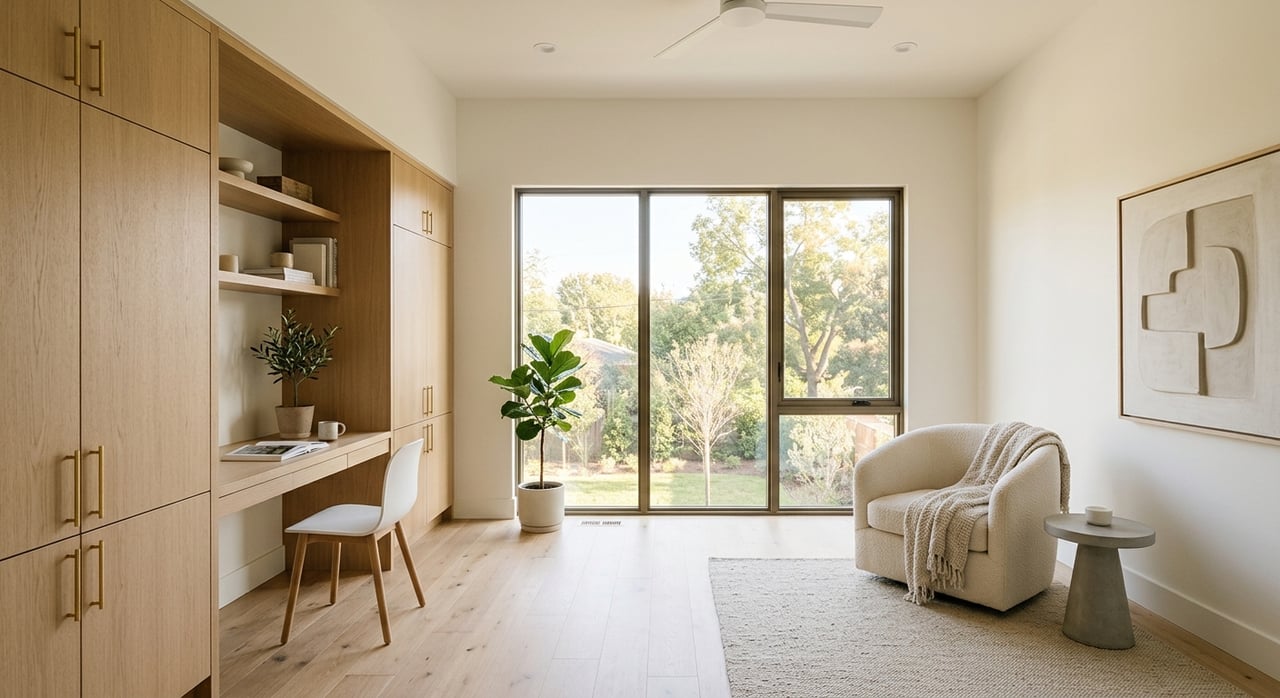
You do not always need a dramatic transformation to create value. In many of these homes, the win comes from making the space brighter, more usable, and more cohesive. A smaller house with clean design, smart flow, and a polished presentation can outperform a larger home with scattered updates and no clear vision.
Look for Strong Porch and Street Appeal
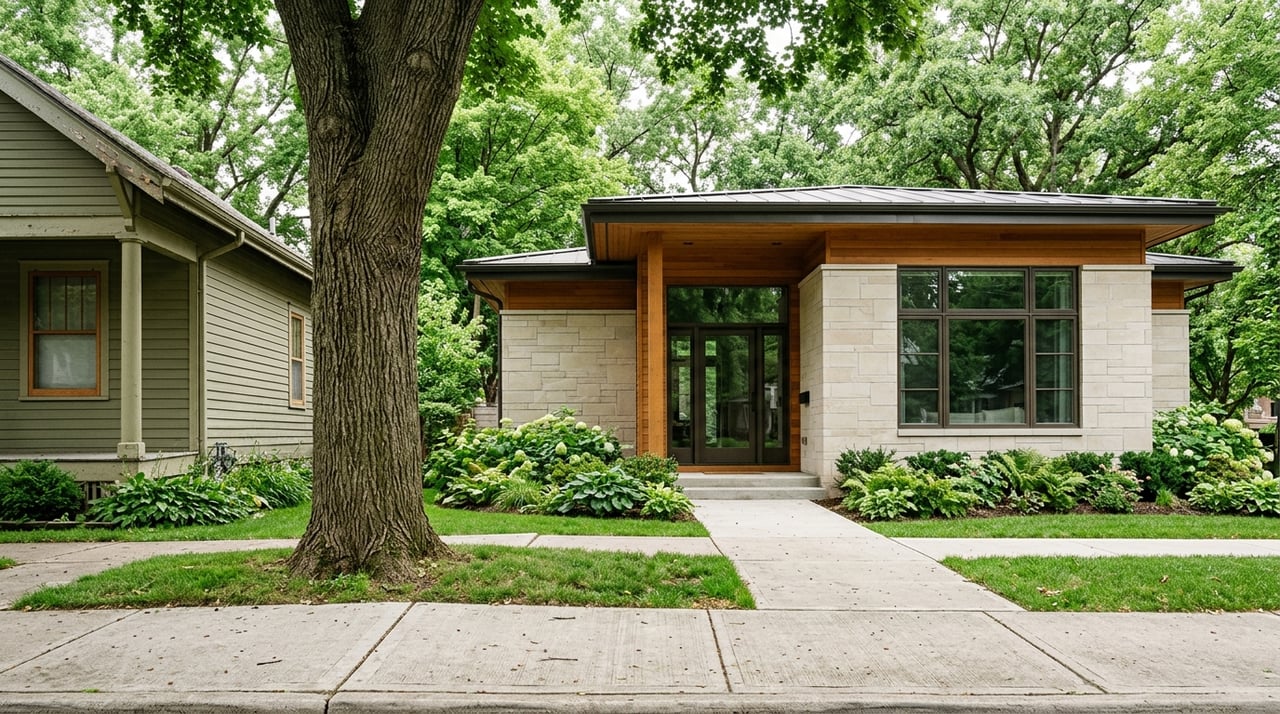
In South Fayetteville, the front of the house matters. The Walker Park neighborhood plan notes that many pre-World War II homes include porches and sit close to the sidewalk, creating a visible, street-facing pattern that supports walkability and an active public realm.
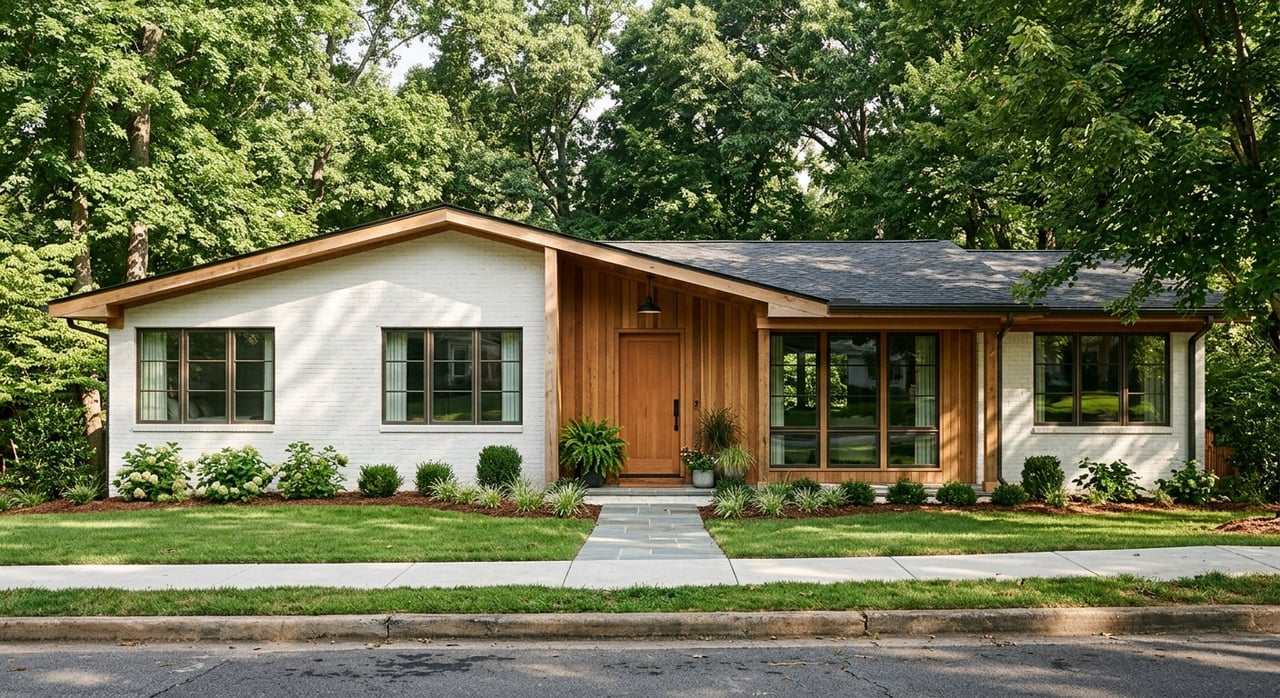
That means homes with an existing porch, balanced front elevation, and a coherent facade often have a head start. If the house already presents well from the street, even with dated paint or landscaping, it may be a better value-add candidate than a home with a confused exterior or one that fights the character of the block.
Exterior Clues Worth Noticing
When you tour homes, pay close attention to features that can be improved without changing the home’s identity:
- A usable front porch
- Symmetrical or visually balanced front windows
- A clear front walkway
- Mature trees or space for landscaping
- Exterior trim that looks repairable rather than fully failed
- A lot layout that does not force awkward additions or parking solutions
These details can support a more polished finished product, especially in an area where curb appeal and neighborhood fit carry real weight.
Pay Attention to Lot Potential
In South Fayetteville, the lot can be just as important as the house. The Walker Park plan highlights repeated infill, built-on vacant lots, and areas where additional single-family homes may be appropriate. It also points to originally platted right-of-way and varied site conditions that make lot shape and usability important.
For you as a buyer, that means it is worth looking closely at frontage, lot depth, and access. A dated house on an infill-friendly lot may hold more long-term appeal than a similar house on a constrained or awkward site. Even if you are only planning a renovation, site flexibility can make exterior improvements, parking, outdoor living, or future expansion more practical.
Lot Questions to Ask
Before you get attached to a property, consider these practical filters:
- Does the lot have enough depth for outdoor living or future improvements?
- Is the house positioned on the site in a way that still leaves usable yard space?
- Is there alley access or easier rear access?
- Would a small addition or site upgrade feel natural rather than crowded?
- Does the property fit the surrounding pattern of homes on the block?
In a neighborhood shaped by infill and redevelopment, these questions can help you separate real opportunity from expensive compromise.
Prioritize Layout Over Flashy Finishes
Because many South Fayetteville homes are smaller and older, layout improvements can matter more than decorative upgrades alone. A home that feels dark, chopped up, or inefficient may become much more competitive with better circulation, a more workable kitchen, or a smarter bathroom layout.
That said, these are not casual projects. Fayetteville requires permits for most construction, enlargement, alteration, repair, demolition, occupancy changes, and regulated electrical, gas, mechanical, or plumbing work. The city also says plans are needed for changes that affect the structural, electrical, plumbing, or mechanical aspects of the original structure.
So if you are considering opening walls, moving laundry, reworking a bath, or adding square footage, treat that as a planned renovation from day one. In this part of town, the best outcomes usually come from a professional, design-coherent approach rather than a piecemeal DIY plan.
Start With Safe, High-Impact Cosmetic Updates
If you want a lower-risk way to unlock value, cosmetic updates are often the best place to begin. Fayetteville notes that painting, playground equipment, and flooring are exempt from permits, while structural or system-related work is not. That makes surface-level improvements especially useful for older southside homes.
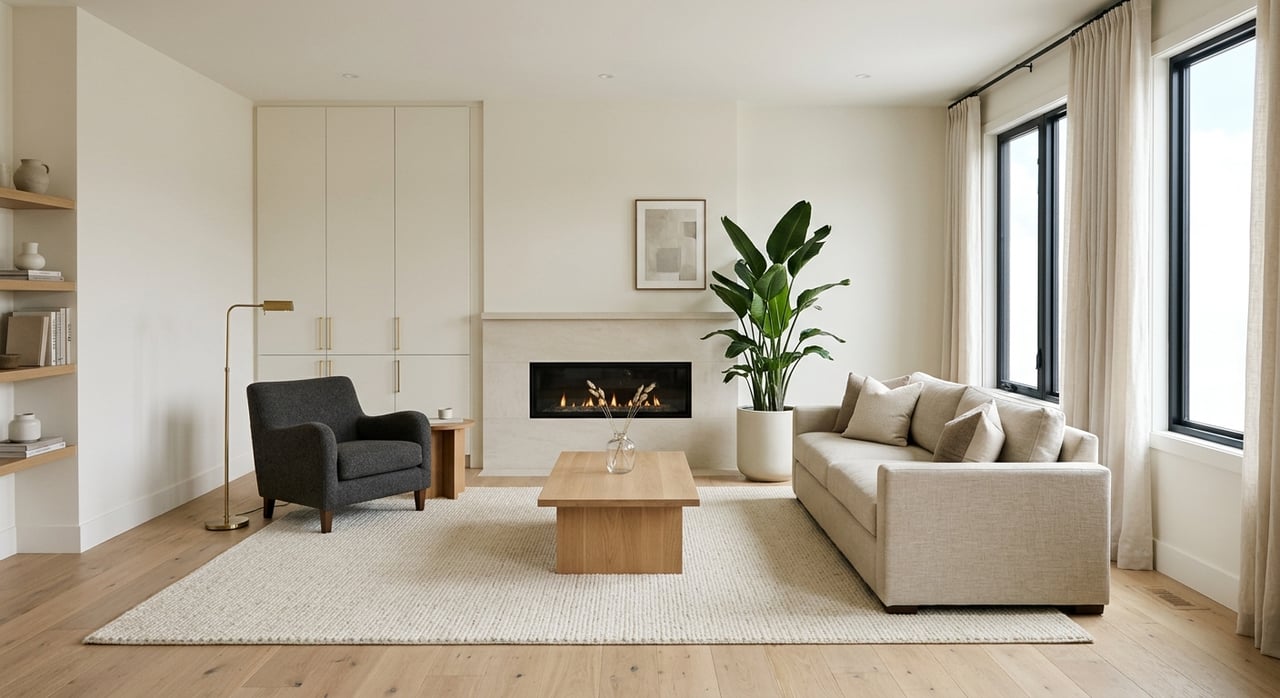
Often, the first layer of value comes from cleaning up what is already there. Fresh paint, updated lighting, repaired trim, exterior cleanup, flooring refreshes, and simple landscaping can sharpen first impressions without triggering a more complex permitting process.
Cosmetic Projects That Often Pay Off
- Interior and exterior paint
- Flooring replacement or refinishing
- Updated light fixtures
- Trim repair and cleanup
- Front yard landscaping
- Porch styling and repair
- Exterior color updates that fit the home’s design
In a neighborhood with older homes and visible street presence, these improvements can go a long way.
Watch for Unpermitted Work
One of the biggest risks in a value-add property is cheap work that was never properly permitted. Fayetteville’s Building Safety FAQ is clear that work completed without a permit may depreciate a home’s value and can lead to fines, removal of the work, or prosecution.
That means a bargain purchase can get expensive quickly if the previous owner cut corners. If a remodel looks rushed, inconsistent, or incomplete, it is worth asking more questions. In an older home, hidden problems behind a glossy finish can erase your budget fast.
Red Flags to Investigate
- Recently updated areas with no clear documentation
- Odd floorplan changes that may have affected structure
- New plumbing or electrical work in an older home with no permit history discussed
- Additions or converted spaces that feel disconnected from the original house
- Exterior changes that may need review based on parcel-specific historic status
A careful review up front can save you from paying twice for the same project.
Check Historic and Design Review Status
Historic status in South Fayetteville should never be assumed. Fayetteville states that National Register Historic Districts do not place obligations on private property owners, but local ordinance districts do, and those are regulated by the city’s Historic District Commission.
For you, that means exterior plans should be checked parcel by parcel. If you are thinking about changing windows, siding, rooflines, porches, or other visible exterior elements, verify the property’s specific status before finalizing your scope or budget.
Understand How the City Supports Infill
South Fayetteville is not just seeing random change. The city has actively supported compatible infill and preservation-minded redevelopment, especially in Downtown and Walker Park. Fayetteville’s permit-ready design program for those areas includes more than 30 designs for single-family homes, townhomes, duplexes, and backyard cottages, and the city says the program was created to save time and money while preserving existing homes.
That tells you something important about local value-add strategy. In this part of town, the most promising projects tend to respect the neighborhood pattern while improving usability and finish. The goal is usually not to overpower the site. It is to make the property feel more complete, more functional, and better aligned with the block.
Consider the Bigger Neighborhood Picture
Value-add is never just about the house itself. The surrounding area can shape how buyers perceive a finished property. In Walker Park, the city is moving forward with major improvements including new lighted fields, a rebuilt playground, refurbished tennis courts, pickleball, volleyball, and landscaping, with completion anticipated in August 2026.
For nearby homes, that broader public investment can make curb appeal and exterior presentation even more important. Buyers often notice the front yard, porch, walkway, and overall neighborhood feel before they process kitchen counters or backsplash tile. In South Fayetteville, the homes that feel visually connected to their surroundings often make the strongest impression.
What Smart Value-Add Looks Like
The best value-add opportunities in South Fayetteville usually share a few traits. They have good bones, a lot that makes sense, exterior character worth keeping, and a layout that can be improved without forcing a major structural gamble. They also benefit from a restrained design plan instead of trend-chasing or overbuilding.
That is where local knowledge matters. In a neighborhood with older homes, redevelopment pressure, and city-specific permit and design considerations, small decisions can have a big effect on resale appeal and project cost. A measured plan usually beats a flashy one.
If you are weighing a South Fayetteville purchase, preparing a home for sale, or trying to decide which updates are actually worth doing, a design-minded strategy can help you protect your budget and sharpen your outcome. For guidance on buying, selling, staging, or pre-sale improvements in Northwest Arkansas, connect with Marla Roberds.
FAQs
What makes a South Fayetteville home a good value-add candidate?
- The best candidates are often older single-family homes with solid structure, dated finishes, usable porches, and a layout that can be improved without a major structural overhaul.
What upgrades matter most for South Fayetteville homes?
- In many cases, cosmetic improvements, better layout function, and curb appeal that fits the home and block matter more than oversized additions or overly customized finishes.
What permits are needed for Fayetteville home renovations?
- Fayetteville requires permits for most construction, enlargement, alteration, repair, demolition, occupancy changes, and regulated electrical, gas, mechanical, or plumbing work.
What cosmetic work can be done without a permit in Fayetteville?
- According to the city’s FAQ, painting and flooring are exempt from permits, which makes them useful starting points for lower-risk improvements.
What should buyers watch for in older South Fayetteville homes?
- Pay attention to unpermitted work, awkward past additions, poor layout changes, and exterior conditions that may affect renovation cost or design review requirements.
What should homeowners know about historic status in South Fayetteville?
- Historic review depends on the specific parcel. Fayetteville says National Register districts do not create private owner obligations, but local ordinance districts do, so exterior changes should always be verified property by property.