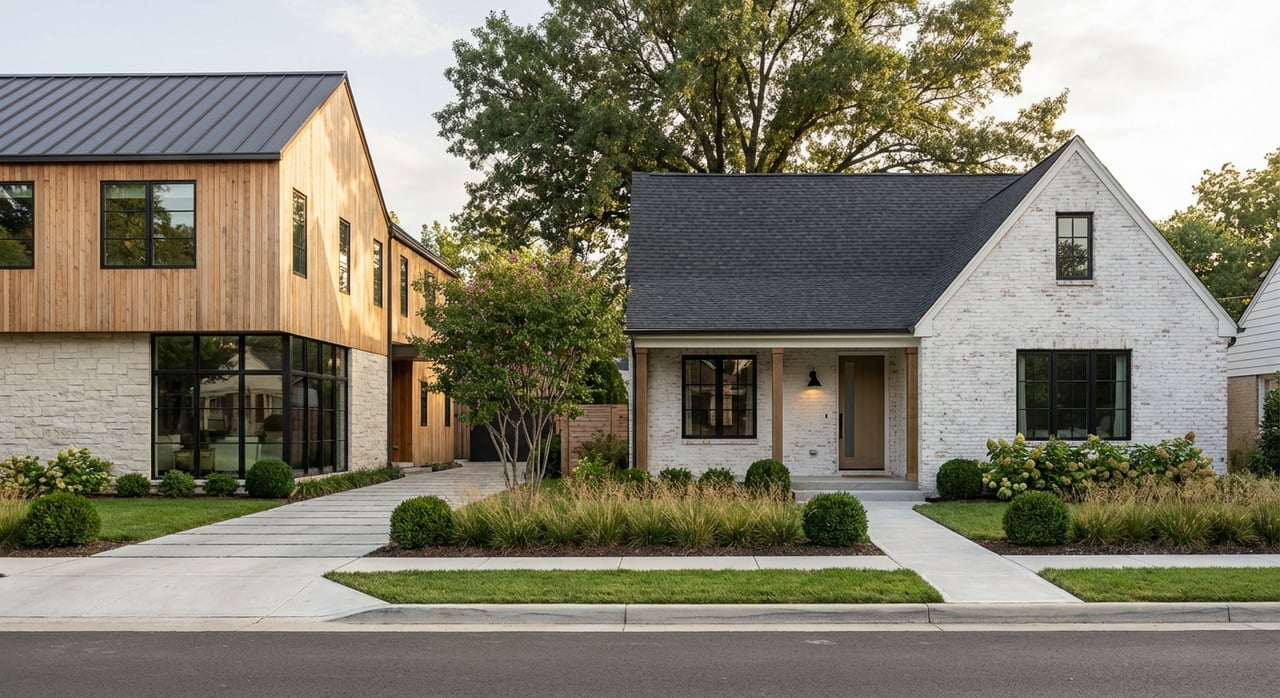
Torn between a brand-new build and a freshly renovated home in Bentonville? You’re not alone. With rapid growth across Northwest Arkansas, you have strong options in both categories, and the best choice depends on your timeline, budget, and tolerance for projects. In this guide, you’ll compare costs, timelines, warranties, energy performance, financing paths, and risks so you can shop with confidence. Let’s dive in.
Bentonville market snapshot
Bentonville’s typical home value was about $480,044 based on Zillow’s Home Value Index, data through January 31, 2026. That figure is a smoothed index and can differ from median sale or list prices because of methodology and timing. If you’re comparing numbers, be clear which metric you’re using and the date of the data. You can view the latest index on the Zillow Bentonville page for context and trends (Zillow Bentonville home values).
Regionally, new construction has played a big role in supply. Recent Skyline reporting noted that new builds made up roughly 38 to 40 percent of sales in Northwest Arkansas during recent half-year periods, with building permits at levels not seen since the mid-2000s. That pipeline helps meet demand in subdivisions and planned communities (Skyline report summary).
On the demand side, Bentonville continues to attract buyers tied to corporate growth, cultural amenities, and outdoor access. Regional reporting highlights anchors like Walmart’s evolving campus, museums, and trail networks as key lifestyle drivers that support both new developments and renovated homes near amenity corridors (Northwest Arkansas market report).
New construction: what you get
Layouts and communities
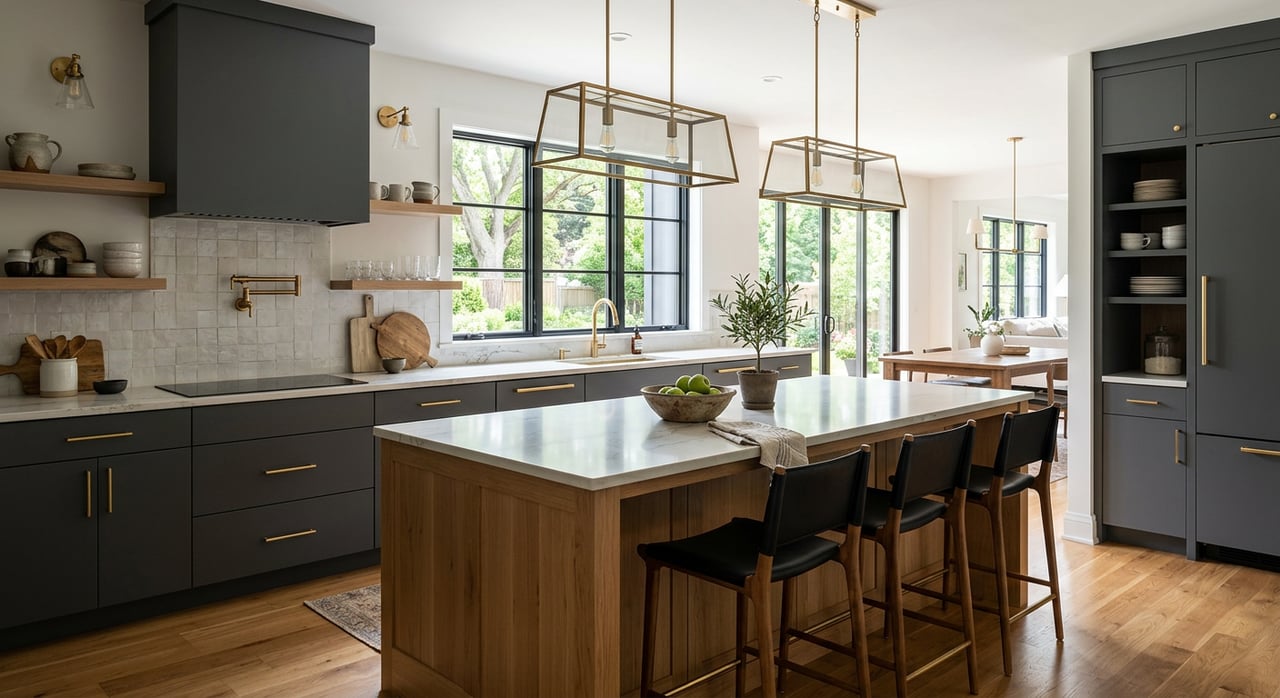
New builds in Bentonville often feature open-plan living, modern kitchens, and energy-conscious systems. Larger subdivisions frequently add shared amenities like pools or greenways. Expect a clear menu of standard finishes with optional upgrade packages. If you like defined selections and a clean, consistent look, this path can be appealing.
Costs and timing
Typical planning ranges to build in Arkansas vary widely by product and finish level. A practical range of about $150 to $350+ per square foot can fit Bentonville-area projects, with smaller production builds near the lower end and custom or luxury work at the higher end. From permit to certificate of occupancy, an 8 to 14 month window is common, though site prep, weather, and materials can shift that timeline. Always ask for itemized allowances and clarify what is included, such as landscaping, driveway, fencing, and appliances (Arkansas build cost guide).
Warranties and inspections
Many builders offer a 1-2-10 style warranty: one year on workmanship and materials, two years on major systems, and ten years on structural elements. Third-party structural warranties are common, and claims usually follow specific timelines and documentation rules. Even with a warranty, plan an independent inspection before closing and use the builder’s punch-list process to address items promptly (New-home warranty basics).
Energy and operating costs
Homes built to current codes, and especially those with ENERGY STAR-level features, typically use less energy than older homes. Better insulation, tighter building envelopes, and higher-efficiency HVAC can translate to lower utility bills in the early years. Ask for documentation on energy performance or any certifications tied to your specific home (ENERGY STAR background).
Financing and incentives
You can purchase inventory spec homes with traditional financing or build with construction-to-permanent loans that convert to a standard mortgage when the home is complete. Builders may offer incentives, such as closing-cost help or interest-rate buydowns, especially on move-in-ready inventory. Confirm who pays for what during construction, how draws work, and the schedule for selections.
Pros and cons at a glance
- Pros: Modern layouts and systems, lower near-term maintenance, clear selections, warranty coverage, potential energy savings.
- Cons: Higher upfront cost per square foot in many cases, longer wait to occupy, possible HOA fees and design rules, fewer infill or downtown-lot options.
Renovated homes: what to expect
Why choose renovated or resale
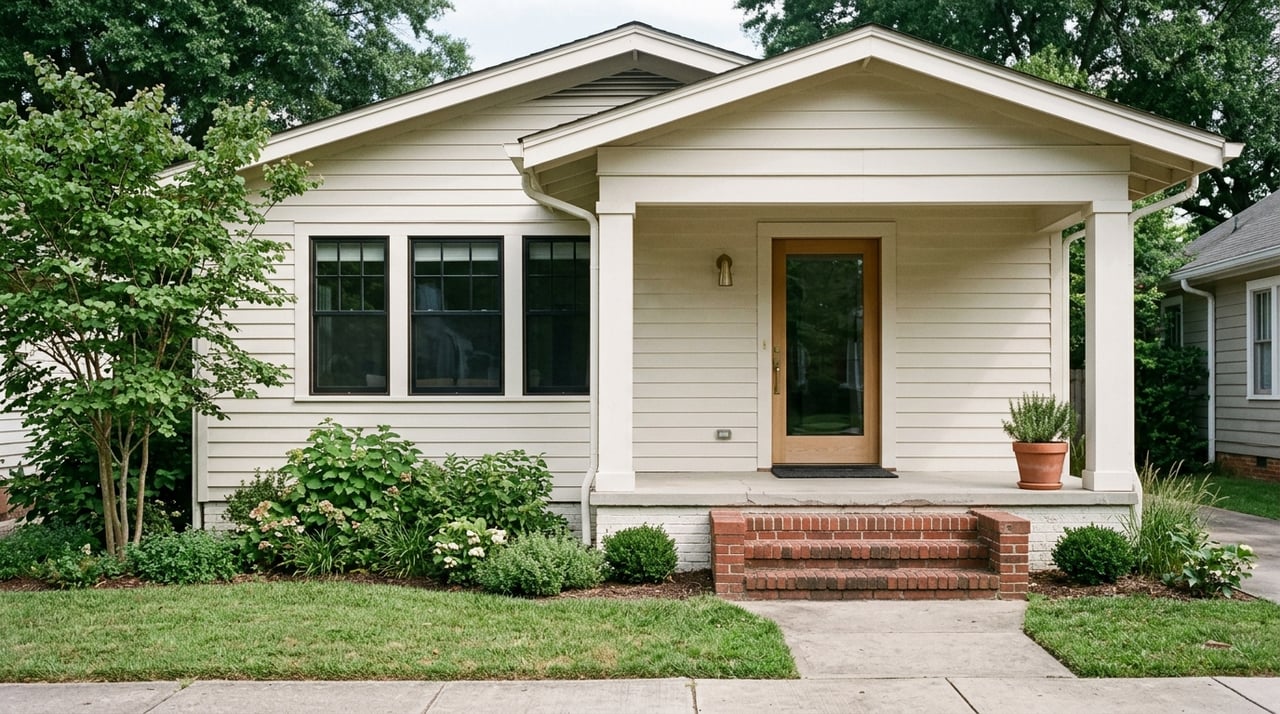
Renovated homes often deliver faster move-in timelines and locations closer to downtown, trail access, or established parks. You might find mature lots, unique character, and thoughtful updates that balance style with convenience. If you value immediate occupancy and a specific neighborhood setting, renovated homes can be a smart fit.
Typical costs and timelines
If you plan to personalize a home after purchase, minor kitchen remodels commonly run in the low-to-mid five figures. A recent national benchmark placed the average kitchen remodel around $25,000, with typical ranges from about $14,000 to $41,000 depending on scope. Construction phases often take 6 to 10 weeks, plus planning time. Whole-home or structural projects can take several months. Always get local bids for accuracy (Kitchen remodel cost benchmarks).
What tends to recoup at resale
Exterior and curb-appeal projects often show strong short-term payback, and a well-executed minor kitchen update can perform well too. Data from Remodeling Magazine’s Cost vs. Value report indicates that targeted exterior upgrades and focused kitchen and bath improvements usually deliver stronger percentage recoup than upscale, highly personalized interiors. Prioritize projects that align with your horizon and neighborhood context (2025 Cost vs. Value).
Risks and hidden costs
Older or previously renovated homes can hide issues behind walls. Common risks include unpermitted work, aged plumbing or wiring, and materials that may require special handling in older properties, such as lead-based paint or asbestos. Protect yourself with a thorough inspection, verification of permits for past work, and a 10 to 20 percent contingency in your renovation budget. If your project will disturb older materials, make sure contractors follow the EPA Renovation, Repair, and Painting rules (EPA RRP and lead paint overview).
Renovation financing options
You can finance upgrades through options like FHA 203(k) loans that combine purchase and rehab, conventional renovation loans, a HELOC, or a cash-out refinance. Each has different timelines, appraisal requirements, and scope controls. If you have a strict move-in target, match your loan type and contractor schedule to that timeline before you close.
Decision checklist for Bentonville buyers
Use these local-focused criteria to choose between new construction and renovated homes:
- Budget and total move-in cost. If you have a fixed cap today, a resale home within budget plus limited, high-impact updates can be more affordable than building new. If you value warranties and new systems and can support a higher cost, new construction may be worth it. For context on price levels, review the latest Bentonville ZHVI and current market activity (Zillow Bentonville home values).
- Timeline urgency. If you need to be in the home within 1 to 3 months, focus on renovated or move-in-ready resale. If you can wait 6 to 12 months or more, explore new construction.
- Location and lifestyle. If proximity to downtown, specific trails, or a particular street matters, resale options may fit better. If you want neighborhood amenities like a pool or playground and are comfortable with HOA rules, new subdivisions can deliver those.
- Project tolerance. If you prefer low risk and low upkeep, lean new with builder warranties and new systems. If you enjoy customizing and accept inspection and renovation uncertainty, consider renovated homes and plan for contingencies.
- Energy and operating costs. If utilities and performance matter to you, ask for energy documentation. New builds or recently upgraded homes with high-efficiency HVAC and improved insulation can cut operating costs.
- Resale strategy. If you expect to move again in 3 to 7 years, focus on projects with a history of stronger recoup such as curb appeal, minor kitchen updates, and targeted bath refreshes. New homes in appreciating submarkets can also support future resale value (2025 Cost vs. Value).
Due diligence: new construction
- Request key documents. Ask the builder for the community plat, HOA covenants, detailed specifications, construction schedule, and what is included in the base price versus upgrades. Clarify landscaping, driveway, fencing, and appliance packages.
- Verify permits and codes. Check permit status and applicable codes with the City of Bentonville’s Development Services page to ensure each phase is properly approved (City codes and permitting).
- Understand warranty terms. Confirm the 1-2-10 structure, who administers claims, and deadlines for reporting items. Keep a dated photo log of issues and submit requests in writing (New-home warranty basics).
- Hire an independent inspector. Schedule inspections before closing and at your final walk-through to catch punch-list items early.
Due diligence: renovated or resale homes
- Get a thorough inspection. Include structure, roof, HVAC, plumbing, and electrical. Add specialty checks as indicated, such as sewer scope, lead paint, or asbestos testing when appropriate (EPA RRP and lead paint overview).
- Confirm permits for past work. Unpermitted additions or remodels can create appraisal and insurance issues later. Ask for permit records and contractor invoices.
- Secure bids and set a contingency. Obtain at least two fixed-price bids for planned projects and keep a 10 to 20 percent contingency for surprises. Use Cost vs. Value data to prioritize work with stronger resale recoup (2025 Cost vs. Value).
- Match financing to scope and timing. If using a renovation loan, understand how draws, inspections, and timelines affect your move-in date and monthly payments.
Which path is right for you?
If you want a crisp, modern layout, minimal near-term maintenance, and documented energy performance, new construction may fit best. If you value an established setting, faster occupancy, and the chance to tailor finishes over time, a renovated home can be the smarter buy. Many Bentonville buyers compare a move-in-ready new build in a planned community against a refreshed resale closer to downtown and choose based on timing, neighborhood feel, and total cost to move in.
If you’re weighing both options and want help modeling costs, timelines, and design potential, you can tap a team that blends brokerage and design under one roof. With an integrated agent-plus-designer approach, you get clear guidance on builder specs, warranty terms, and energy features, plus honest renovation scopes and ROI priorities.
Ready to compare specific homes and run a side-by-side plan for your move? Connect with Marla Roberds to review your shortlist, refine your budget, and map the smoothest path to keys in hand.
FAQs
What does “typical price” mean in Bentonville market data?
- Market sources use different metrics. Zillow’s ZHVI (about $480,044 as of Jan 31, 2026) is a smoothed index, while median sale or list prices reflect recent transactions or active listings, so always note the metric and date.
How long does a new Bentonville build usually take?
- A common window is 8 to 14 months from permit to certificate of occupancy, depending on site conditions, weather, materials, and builder scheduling.
Are builder warranties standard on new homes?
- Many builders provide a 1-2-10 style package covering workmanship, systems, and structure, often through a third-party provider; confirm terms and claim deadlines in writing.
Which renovations tend to add resale value fastest?
- Data trends point to curb appeal upgrades and targeted kitchen and bath improvements as stronger short-term recoup candidates than high-end, highly personalized interiors.
How do I verify permits for a renovated home in Bentonville?
- Ask the seller for permit records and check with the City of Bentonville’s Development Services or online systems to confirm past approvals and final inspections.